
IAS organizes its R&D activities into two major working groups to develop solutions to identified international science and technology shortfalls and requirements: Small Science and Big Science.
Big Science Working Group
This Working Group focuses on science & technology policy by supporting multilateral and bilateral talks & conferences & advanced research workshops to promote international scientific cooperation on basic and applied research. Advanced Research Workshop issues include: Environment & Ocean Science; Energy; Nonproliferation; Nuclear & Radiological Safety; Cyber-Security; Prediction and Centrality of Human Behaviour in Conflict.
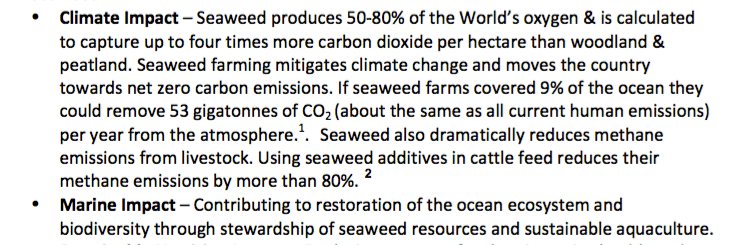
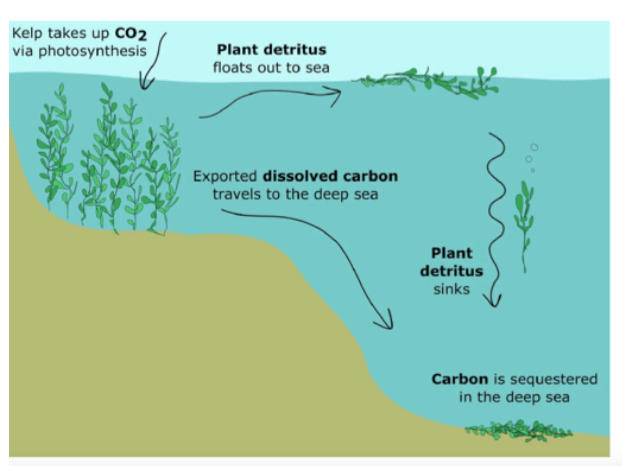
Ocean Science: Developing a sustainable Blue Ocean Economy and promoting the role of seaweed in carbon sequestration and carbon mitigation.
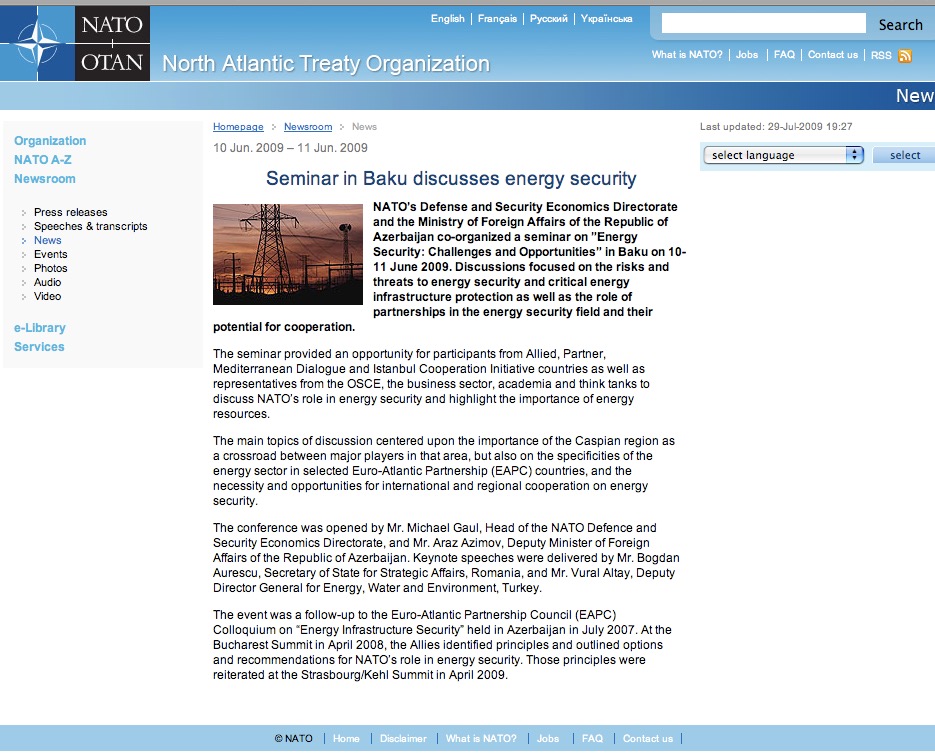
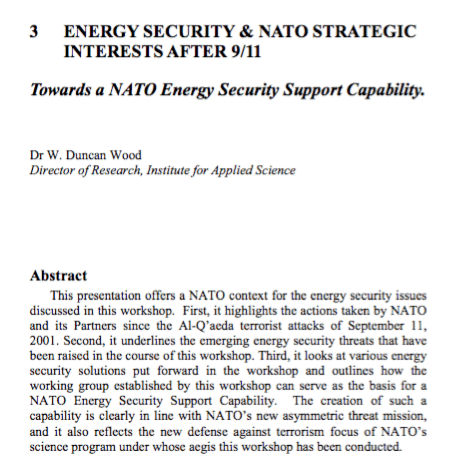
Energy Security & Stability: Highlighting developments in energy research & assessing prospects for energy security, stability and sustainability including the ITER commercial nuclear fusion project & energy storage.
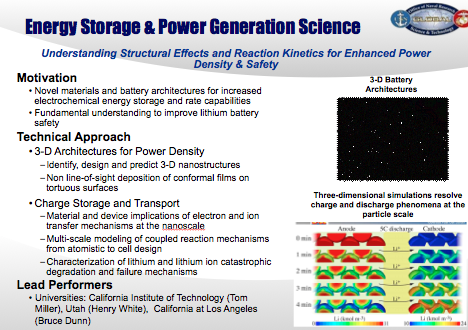
Nonproliferation: Supporting US nonproliferation programs via multilateral and bilateral strategic policy talks and technical support on the ground.
International Nuclear Security Talks sponsored by US Department of Energy and coordinated and chaired by Institute for Applied Science
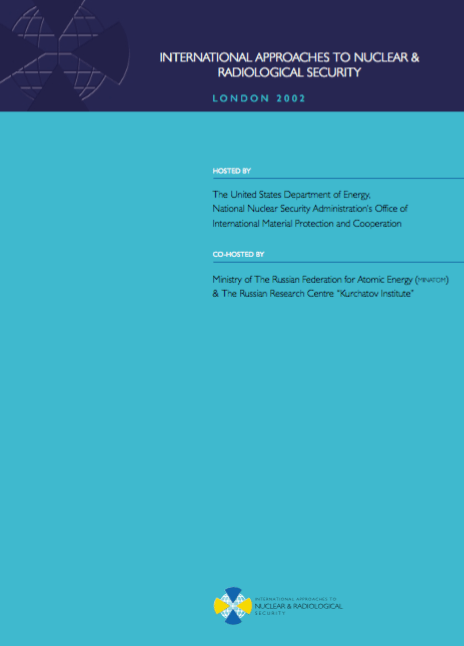
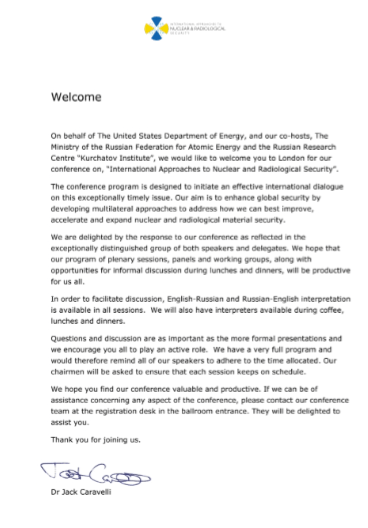
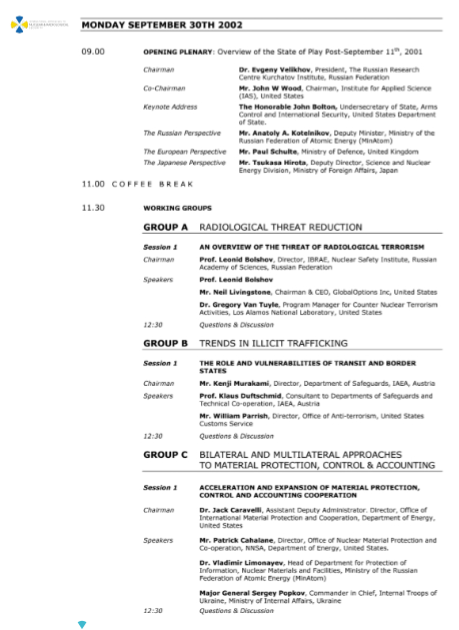
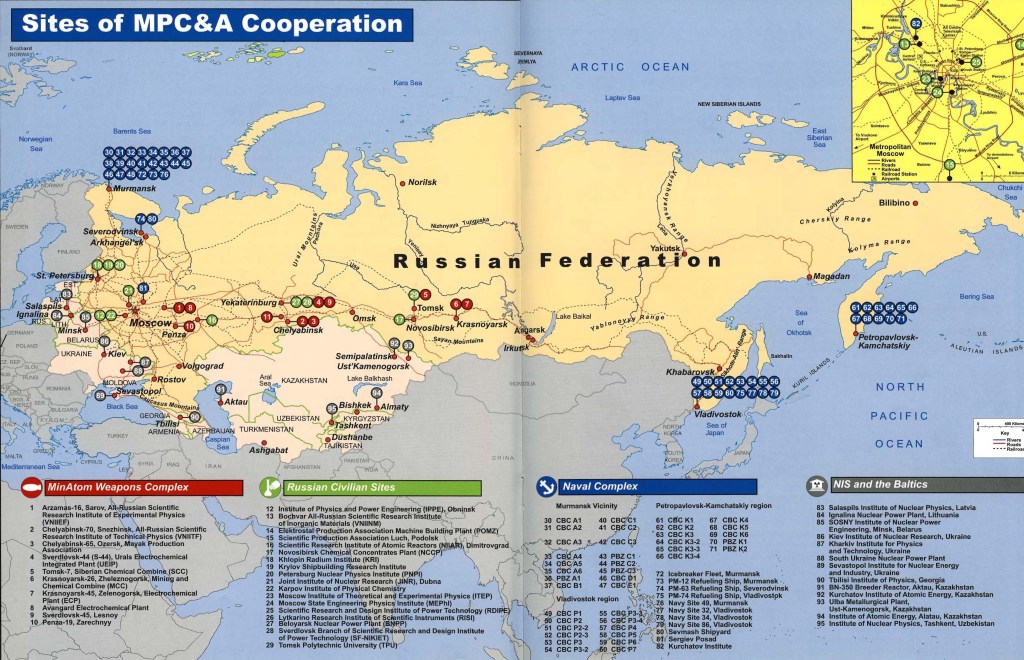
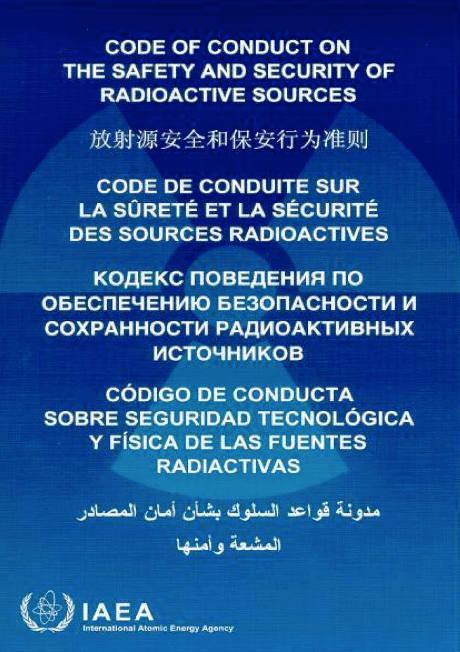
Radiological Safety & Security: IAS-run, US Government & NATO sponsored conferences, workshops and working groups focused on locating and securing orphan radioactive material and developing a legally binding code of conduct for radioactive sources
Small Science Working Group
This working group supports the development and commercialization of science and technology innovations from concept to product in the hands of users.
Representative projects include support for:
Development of seaweed aquaculture and seaweed foods for the general public meeting US and European food safety standards.
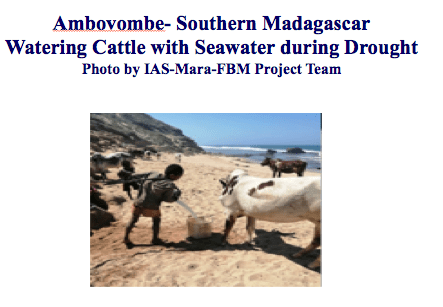
Development of Seaweed aquaculture to respond to Madagascar Food Security Emergency:
IAS has considerable experience in seaweed aquaculture and in the development and commercialization of seaweed. In this instance, IAS is working with project partners in the UK with Mara Seaweed – and in Madagascar with Feedback Madagascar to develop seaweed for food and to introduce it into the food supply chain in order to improve food security and to alleviate pressure on Madagascar’s precious natural habitat on land by growing food in the sea.
Development of compact personal protective equipment and portable diagnostic equipment & tools for first responders and industrial safety applications.
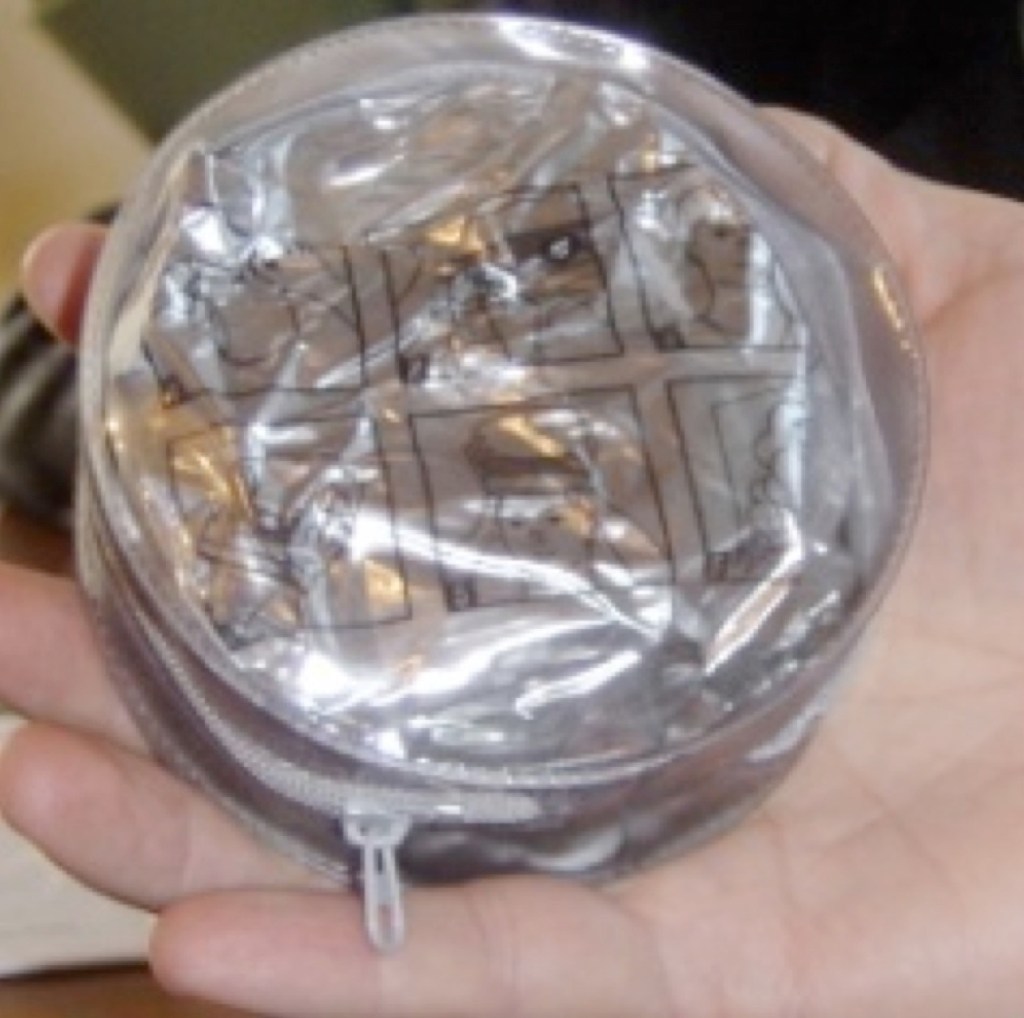
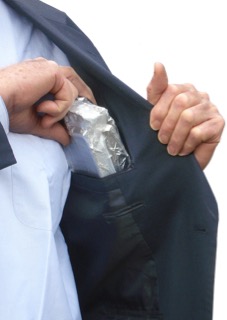
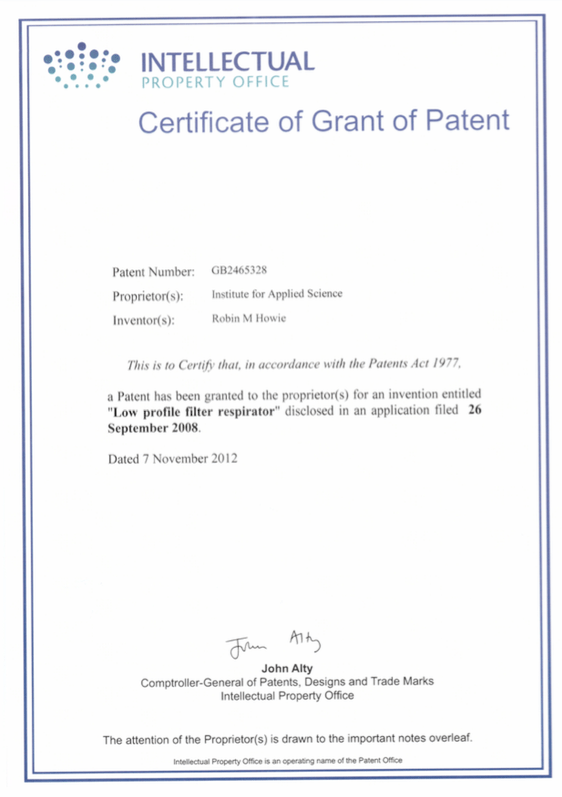
IAS has proven expertise in the design and development of compact readily available personal protective equipment. Its Compact and Ultra-Low-Profile Escape Respirator designs have been developed in collaboration with the US Government and an IAS spin-out company – Scientific Protection (www.scientificprotection.com). The respirators are intended to provide readily available emergency protection for the general adult population to escape from fires, industrial and CBRN emergencies.
IAS also has considerable expertise in developing portable diagnostics and equipment for first responders. For example:
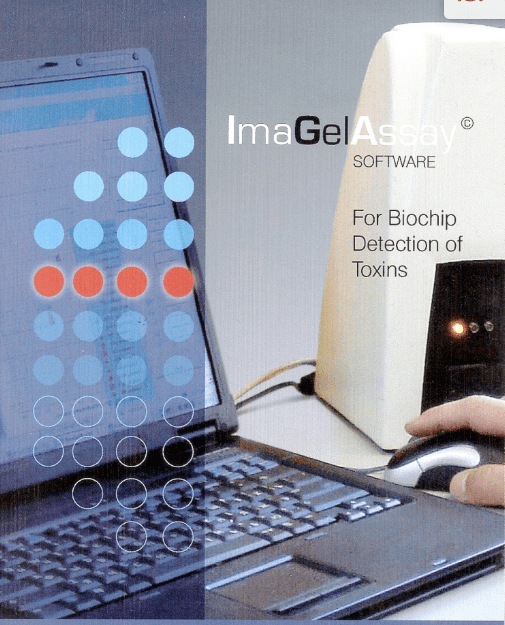
- Portable immuno-assay analyzers capable of simultaneous quantitative and qualitative detection of multiple toxins;
- Light-weight cooling systems for personal protective equipment to reduce the heat stress burden on the wearer; l
- Low-cost/light-weight infrared detection solutions.
Compact Respirator
Portable Toxin Detector
Ultra-Low-Profile Respirator
 Institute for Applied Science